Xiaomi’s first non-flagship device of the year boasts a fast-charging tech that’s never been seen on mainstream smartphones. The Xiaomi 11i Hypercharge comes equipped with 120-watt fast charging, making it the fastest charging device currently on the market. But what about the display, build, camera, and overall experience of the smartphone?
I’ve spent 48 hours with the Xiaomi 11i Hypercharge, and here are my first impressions.
Design and display
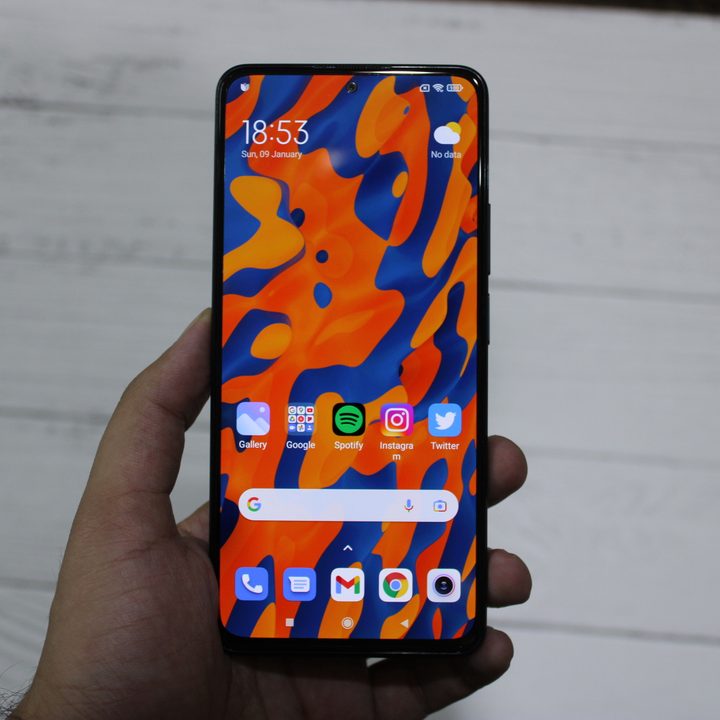
The Xiaomi 11i Hypercharge features a 6.67-inch Full HD+ 120Hz AMOLED display that sports a hole-punch cutout to house the 16-megapixel selfie shooter. The 11i Hypercharge misses out on the Adaptive sync variable refresh rate that was present on its predecessor, the Mi 10i. The new smartphone can only switch between 60Hz and 120Hz, but its 360Hz touch sampling rate is still fast and responsive, if not as granular.
The brightness peaks at 1,200 nits, with a typical brightness rated for 700 nits. It’s been raining in Delhi for two days, so I haven’t had the chance to test the legibility in direct sunlight, however, the display works fine indoors, and you will enjoy reading and watching content on it.
As a somewhat unique feature, it comes with a 3.5mm headphone jack, so you can plug in your favorite wired headphones – I love using my AKG K371-BT for Spotify sessions. If you are more of a speaker person, there’s good news for you, too, since the 11i sports dual speakers.
Durability
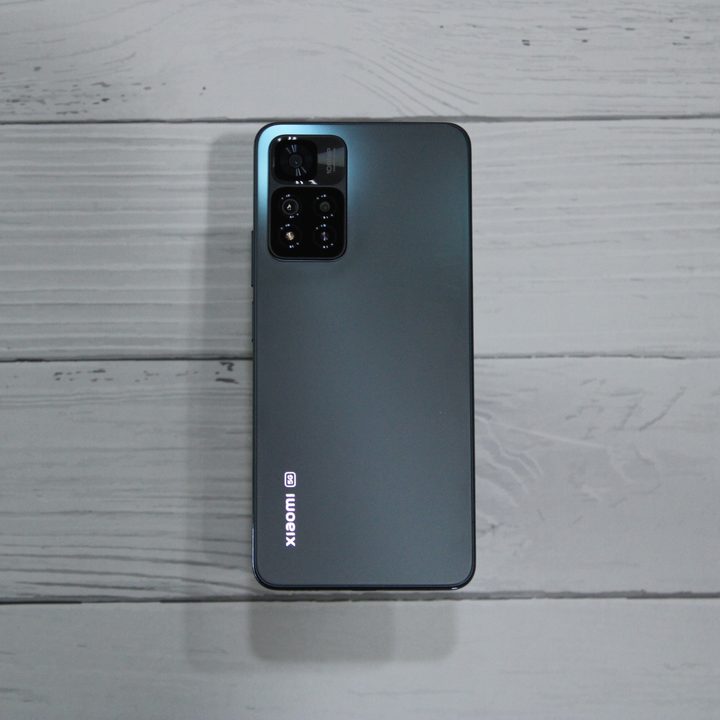
The phone’s display lies under the protection of Corning Gorilla Glass 5. It features a glass body with a frosted back panel on my Camo Green review unit. It doesn’t attract smudges as easily as glossy glass backs and feels premium in the hand. The power button lies on the right edge alongside the volume rockers above it. The fingerprint sensor, which works very well, is built into the power button and is easy to reach. The power button also lets you double-tap to perform actions or take a screenshot.
The 204-gram weight is something to be noted if you hold your phone for longer durations. The smartphone is IP53 rated – meaning that it is protected against dust, and spraying water won’t compromise its capabilities, but you can’t take it to the beach with you.
Overall, it feels solid in the hand, and having an IP rating gives me confidence as a user. You also get an infrared sensor to control your home appliances, which could be a godsend to change channels when the cafe you are sitting in is blasting music you dislike on the TV. IR blasters are another increasingly rare feature for phones on the U.S. market.
Specs and performance
Coming to the raw prowess, the Xiaomi 11i Hypercharge is powered by the Dimensity 920 system on a chip with VC liquid cooling. It is paired with 6GB/8GB RAM and 128GB/256GB UFS 2.2 storage. The on-page specs translate to a satisfying day-to-day performance, but I have noticed a few frame drops in the UI in my time with the device. However, there are no lags to be worried about. It runs Android 11 with MIUI 12.5 Enhanced on top.
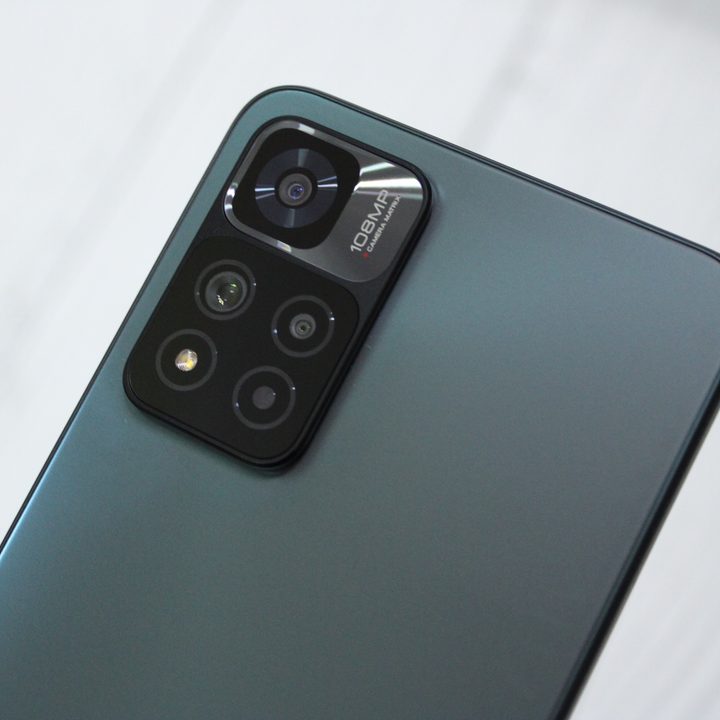
The optics on the Xiaomi 11i Hypercharge are showcased by a 108MP Samsung HM2 sensor with a 0.7μm pixel size. It offers a fast-phase detecting autofocus solution and pixel-binning technology to capture images. As I said before, it’s been raining at my place for the past two days, so I haven’t been able to go out and shoot pictures on the phone, but the indoor performance is average. You also get an 8MP ultra-wide-angle camera and a 2MP macro shooter, which I haven’t been able to take advantage of yet either.
Battery and charging
The smartphone packs a 4,500mAh battery under the hood that supports 120W fast charging, and surprisingly (for 2022), we get the fast charger in the box. Xiaomi claims it can charge the 11i Hypercharge from zero to full in 15 minutes. But as you can guess, these stats are for ideal conditions.
With Wi-Fi and Bluetooth turned on, and the screen switched off, I managed to get it from 9% to 100% in 17 minutes and 50 seconds. The device didn’t heat much, but notably, the room temperature in Delhi was around 13 degrees Celcius (55 degrees Fahrenheit), so I wouldn’t expect much overheating at the moment. I’ll also discuss the fast-charging details and safety standards in a separate story coming soon.
Overall, the fast-charging feature is crazy fast, but standby battery drain means so much that it hasn’t lasted for more than a day. but I’m still just 48 hours in, so it could get better with time and as the phone optimizes apps for the battery.
A solid device
So far, the Xiaomi 11i Hypercharge seems like a solid upper-midrange device with some neat features, though 120W fast charging isn’t a game changer so far, and battery life could be better. However, it’s too soon to say if it’ll be better or worse than other devices in the same price range. That judgment will come after more comprehensive analysis.