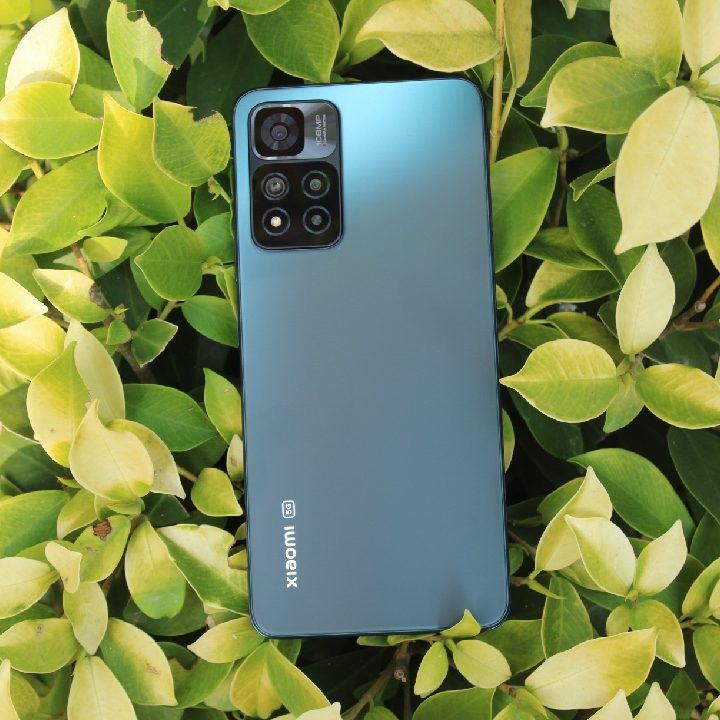
Xiaomi first introduced a 120-watts fast charging technology with the launch of 11T Pro in Europe in September of last year. The tech then trickled down to the Xiaomi 11i Hypercharge, which recently made its debut in India. According to the company, the 11i Hypercharge’s 4,500mAh battery can go from zero to 100% within 15 minutes in ideal conditions. While 120W fast charging is industry-leading, is it safe?
I decided to look at how it works and what measures is the company taking to keep users safe.
How does 120W fast charging work on the Xiaomi 11i Hypercharge?
Xiaomi says that the new Hypercharge fast charging tech is made possible “by deploying a combination of new innovations across the battery, charging circuit and the charger.” Let’s get a bit technical, shall we and break down the key tech into five distinct pieces of tech:
- Dual charge pumps
- Dual-cell batteries
- Multiple Tab Winding (MTW) technology
- Mi-FC technology
- Graphene-based battery

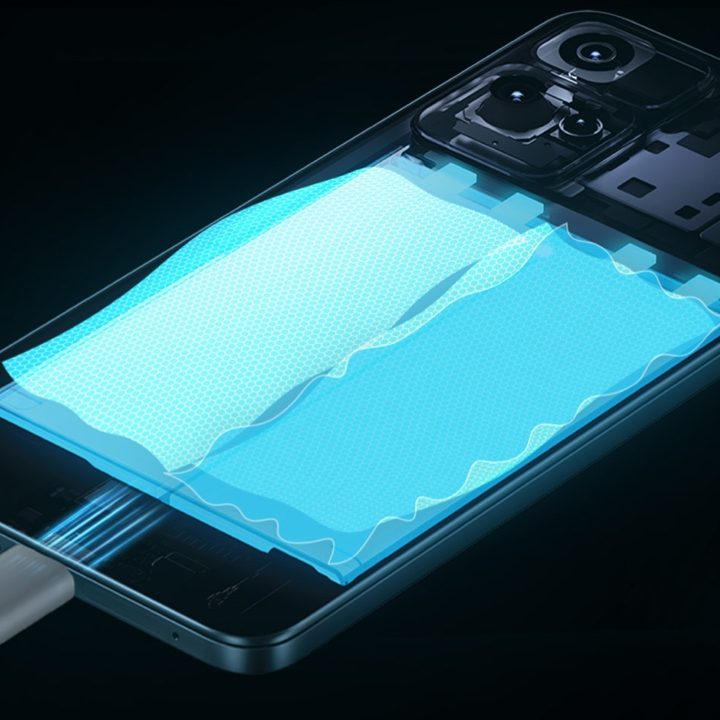
First, the company revamped its entire charging structure and made use of dual charge pumps to control voltage and current better to the dual-cell batteries. What this means is that there’s a larger wattage intake, which allows reduced charging times. Second, as mentioned, the Xiaomi 11i Hypercharge makes use of a dual-cell battery, which is used to increase the available input power in contrast to a standard single-cell battery. This again helps with faster charging times. Third, the company uses multiple tab winding (MTW) technology, allowing for an improved current flow in the battery. It creates shorter current paths by using multiple anode and cathode tabs instead of the traditional one or two current paths, which feature higher resistance in current flow. By making multiple tabs, MTW reduces resistance and enables the current to flow faster.
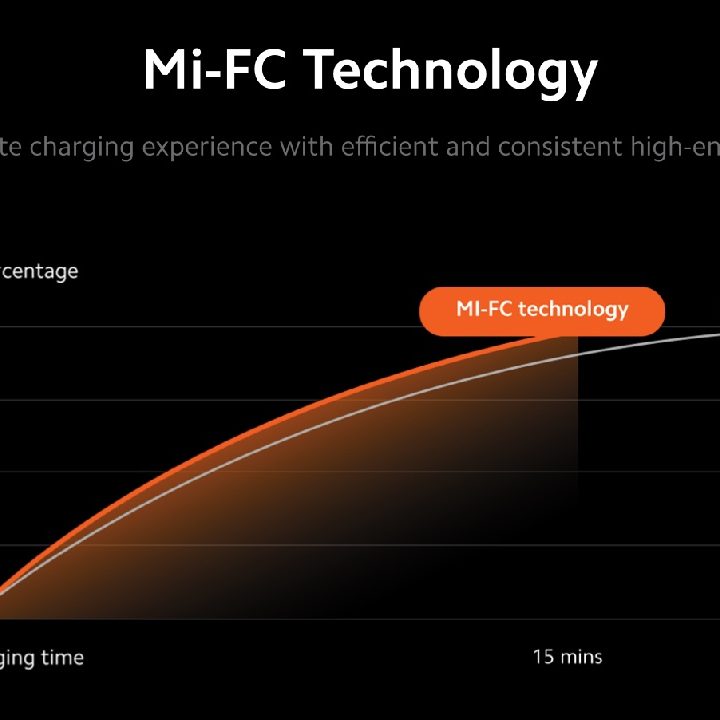
However, there’s one hurdle here. If you’ve ever experienced any kind of fast charging, you must have noticed charging speeds start slowing down significantly after 85% and as the charge reaches 100%. To combat this, Xiaomi uses what it calls “Mi-FC technology.” The Mi-FC tech allows high current to pass for more time. To keep things under control, it supports real-time cell current and voltage monitoring. Since higher current passes through even after say 85% charge, it allows reducing the time taken to reach 100%. Finally, Xiaomi uses graphene-based battery technology to achieve greater conductivity than traditional batteries, which helps in faster charging speeds.
The combination of revamped charging structure, dual-cell battery, MTW, Mi-FC, and graphene-based battery technology allows Xiaomi to charge the battery at a faster rate.
Is Xiaomi 120W Hypercharge safe?
Xiaomi says it not only spent time improving charging times but also paid attention to ensure that it is safe and efficient. The 120W fast charging tech on Xiaomi phones comes with 34 protection features. They include safety measures from the charger, the circuit to the battery for long-term performance. These features include:
- High-temperature charging/discharging protection in the battery.
- Overheating shutdown protection for the circuit.
- USB input overcurrent protection in the circuit.
- Short circuit protection for both charger and circuit.
- Overcurrent protection and overvoltage protection for the charger.
To compensate for the high current to not heat the phone abnormally, Xiaomi placed nine real-time thermal monitoring sensors. Plus, it has TÜV Rheinland Safe Fast-Charge System certification, which is given to mobile phones, power banks, laptops, and other devices to validate the safety of their fast charge systems after a series of laboratory tests and verification.
The Xiaomi 11i Hypercharge claims to retain up to 80% battery capacity after 800 charge or discharge cycles, which is less than the 1,000 charges a device in Psafe’s study is able to withstand before posting 20% capacity. However, a ResearchGate study says that it can take anywhere from 500 to 1,000 charges for the battery health to deplete below 80%, so Xiaomi’s claim falls on the upper end of this range, so you shouldn’t have to worry about the battery capacity wearing out too quickly.
Does Xiaomi 11i Hypercharge really go from zero to full in 15 minutes?
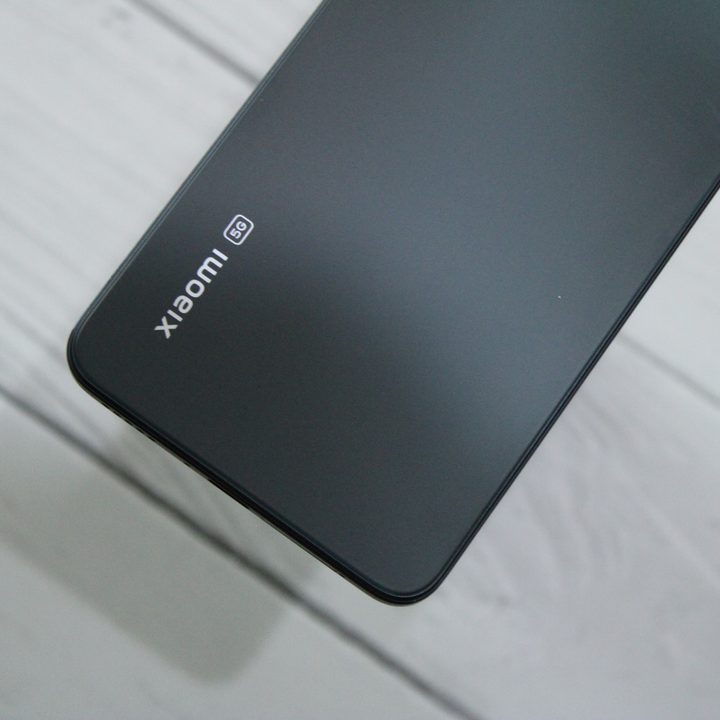
The short answer is no. I haven’t achieved 100% charge within the advertised 15 minutes. After all, nobody uses their smartphone in ideal conditions! By default, Xiaomi 120W fast charging isn’t enabled by default. You’ll need to enable the Boost power output option in the Battery section to make the battery reach its maximum charge capacity of 120W and stay there for a longer period of time. The numbers below were measured with Boost mode turned on.
However, here are some numbers I recorded after placing my review unit on charge at 9% of juice:
- 10% charge within a minute
- 31% charge in 4 minutes
- 59% in 7 minutes and 10 seconds
- 100% in 16 minutes and 42 seconds with the last 1% taking 27 seconds to tick up
In real-world use, this means that while your phone charges for 17 minutes, you can whip up a delicious plate of Shakshouka, play a quick Forza Horizon 5 session, listen to a brief podcast episode about dragonfly species, or just take a power nap on your comfy sofa. It can also be extremely helpful when traveling since you can juice up quickly where you can find an outlet, reaching above 80% of charge within 15 minutes. It’s hard to beat that kind of convenience, especially if your battery isn’t being dramatically degraded with every charge.