  1. Home
  2. Computing
  3. How tos

How to add and use text replacements on Mac

Add as a preferred source on Google
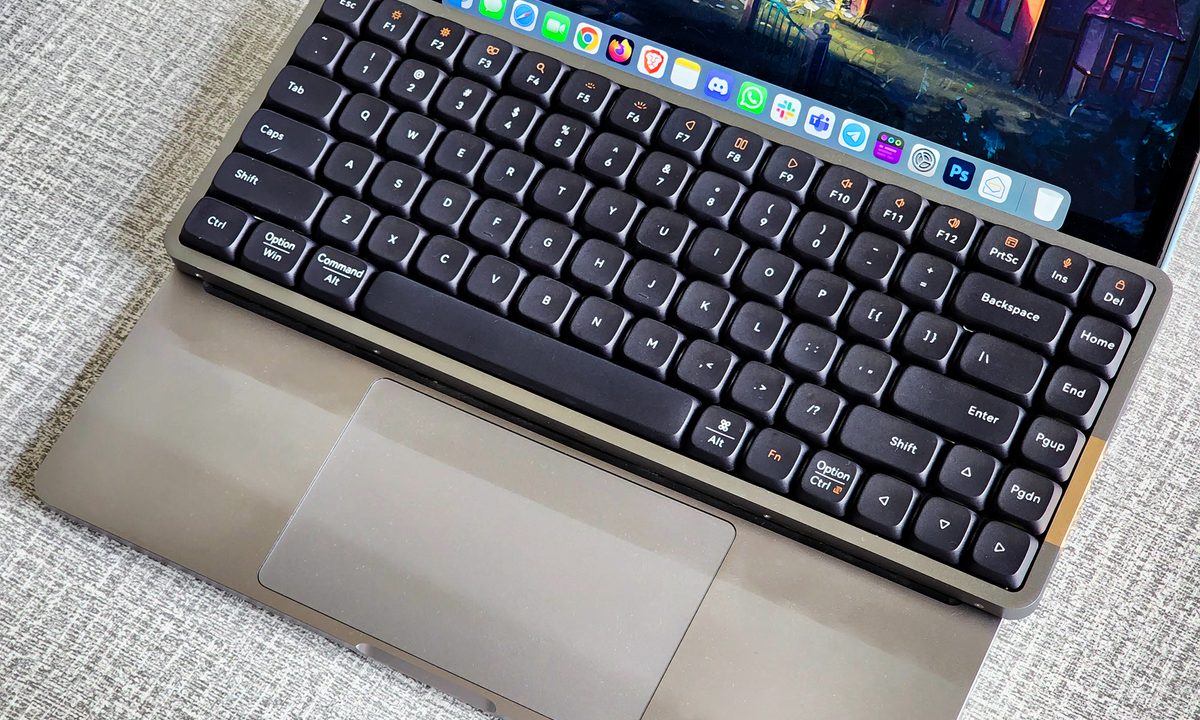
Lofree Flow low-profile mechanical keyboard on a 13-inch Apple MacBook Pro.
Tushar Mehta / Digital Trends

Think about the words and phrases on our computers that we type over and over again, without even thinking about it. Emails and site logins are just a few of these frequently keyed fields, but there are plenty others.

Now what if we told you there was a neat shortcut on macOS that lets you automatically input repeated words? It’s a feature called text replacements, and it’s also available on iPhones and iPads.

Recommended Videos

Difficulty

Easy

Duration

5 minutes

What You Need

  • Mac computer

Add text replacements on Mac

When you add new text replacements on your Mac, you can use them on your iPhone or iPad as well. Just make sure you’re signed in with the same Apple ID to sync the content.

Step 1: Open System preferences using the icon in your Dock or the Apple icon in the Menu bar.

Step 2: Select Keyboard.

Keyboard in System Preferences on Mac.
Apple/Digital Trends

Step 3: Go to the Text tab. If you’re synced with your iPhone or iPad, you may see shortcuts you’ve added there.

Step 4: To add a replacement, select the Plus sign on the bottom left.

Plus sign button to add a text replacement.
Apple/Digital Trends

Step 5: Type the shortcut you want to use to replace the text in the box that opens.

Box to enter the shortcut.
Apple/Digital Trends

Step 6: Press your Tab key and then enter the text you want to display when you use the shortcut.

Box to enter the text to replace the shortcut with.
Apple/Digital Trends

Step 7: Press your Return key to save the text replacement.

By default, your replacements are listed in alphabetical order according to the shortcut.

(Not all characters need a custom shortcut - some already have a keyboard shortcut in macOS, like the em dash.)

Text replacement added on Mac.
Apple/Digital Trends

Use text replacements on Mac

When you want to use a text replacement, open your document, text message, email, note, or other item.

Step 1: Place your cursor where you want the string of text, and type the shortcut.

Step 2: You should see the replacement text pop-up box beneath the shortcut.

Text replacement pop-up box in Messages.
Apple/Digital Trends

Step 3: You can then select that text, press Return, or use the Space bar to replace the shortcut with the text.

Text replacement in Messages.
Apple/Digital Trends

Step 4: If you don’t want to replace the shortcut with the string of text for some reason, select the X on the right side of the small pop-up box.

X to close the text replacement option.
Apple/Digital Trends

Edit or remove text replacements

You can change existing text replacements or remove those you don’t use.

Step 1: In System preferences > Keyboard, go to the Text tab.

Step 2: To edit a replacement, select it and enter the new shortcut or text you want to display. Then, press your Return key.

Replacement text box selected to edit text.
Apple/Digital Trends

Step 3: To delete a replacement, select it in the list and use the Minus sign on the bottom left to remove it.

Minus sign button to delete a text replacement on Mac.
Apple/Digital Trends

With text replacements on Mac, you can speed up what you want to type. For similar ways to work more productively, check out some of the best Mac keyboard shortcuts.

Sandy Writtenhouse
Sandy has been writing about technology since 2012. Her work has appeared on How-To Geek, Lifewire, MakeUseOf, iDownloadBlog…
Gemini Live can finally remember what you told it in past conversations
A quiet update brings chat history recall to Gemini Live, a feature text-based Gemini has had for over a year.
Home screen of Gemini Live with camera and screen sharing.

Talking to Gemini Live no longer means starting from a blank slate every time. Google has quietly extended memory access to Gemini's conversational mode, allowing it to recall details from past conversations when answering new questions.

What the update brings

Read more
macOS 27 Golden Gate: Everything we know about the new features landing on your Mac
Apple’s next Mac update is all about Siri AI and a cleaner Liquid Glass design
macOS 27 Golden Gate

Apple has officially unveiled macOS 27 Golden Gate, the next major version of macOS coming to supported Macs later this year. And while last year’s macOS Tahoe update was all about giving the Mac a fresh Liquid Glass redesign, Golden Gate looks more like Apple’s cleanup and Apple Intelligence update.

macOS Golden Gate is jam-packed with new features, including the redesigned Siri AI, a new standalone Siri app, Visual Intelligence on Mac, more capable Apple Intelligence features across core apps, performance improvements, and some much-needed design refinements. It is also a notable update, since Intel Macs are no longer part of the supported device list.

Read more
Google’s AI Overviews are blabbering about fictional monsters as if they’re real
A new report claims Google's AI Overviews described fan-fiction horror creatures from the SCP Foundation as documented fact in at least 20 cases.
Google Search AI Overview misidentifying May 6 2026 as May 20 2025.

Google's AI Overviews feature is reportedly presenting entries from the SCP Foundation, a popular fan fiction universe built around fake horror "anomalies," as though they describe real creatures and events. Futurism found at least 20 cases where the AI-generated summaries skipped any mention that the SCP entries are fiction.

Confusing made-up monsters as the real thing

Read more