
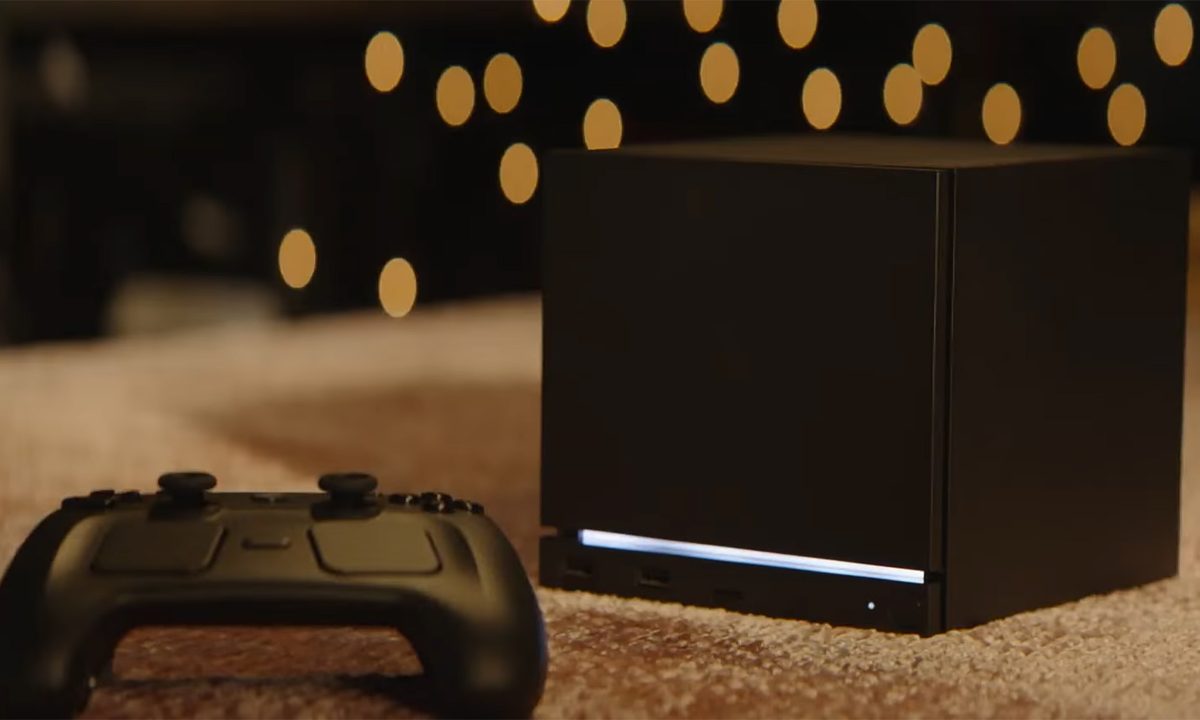
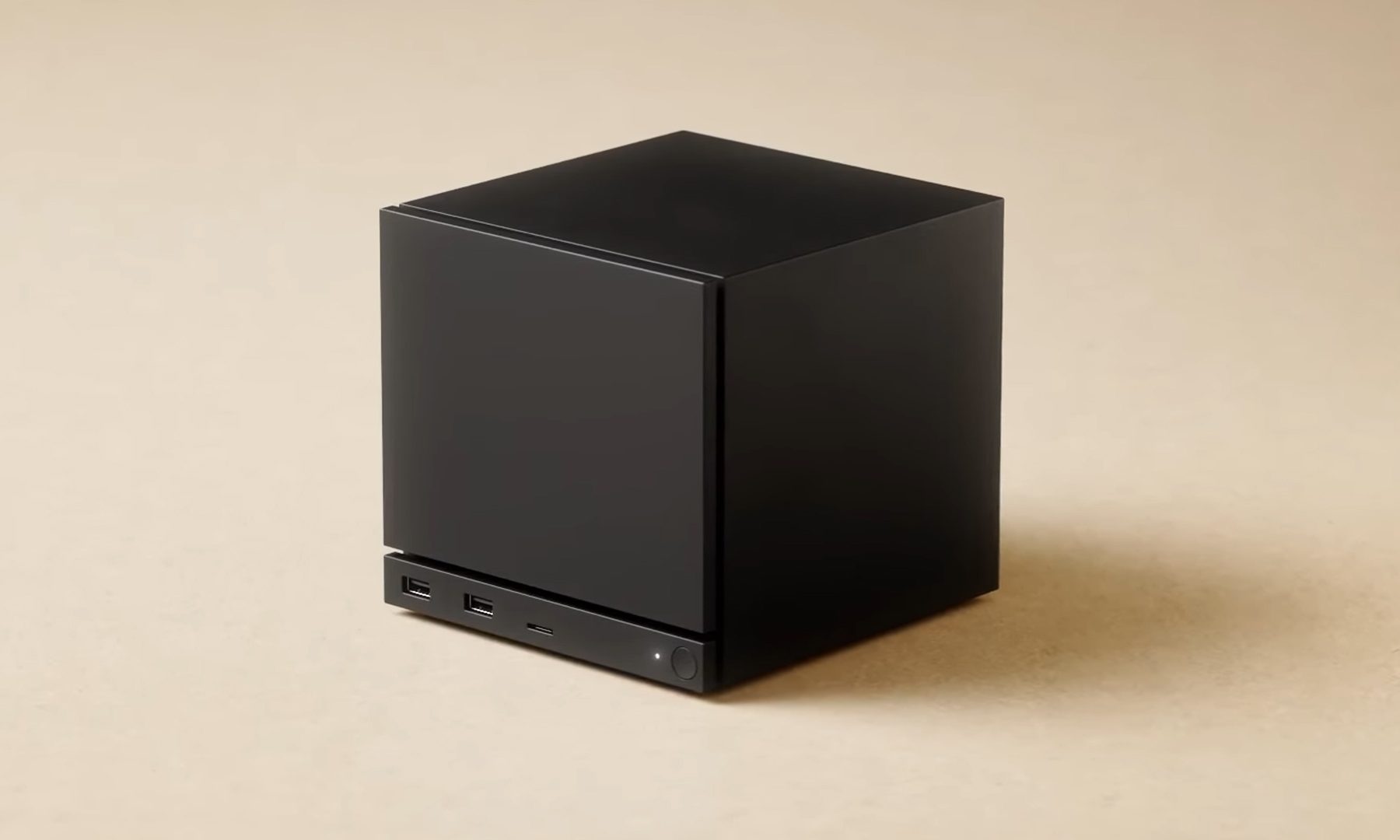
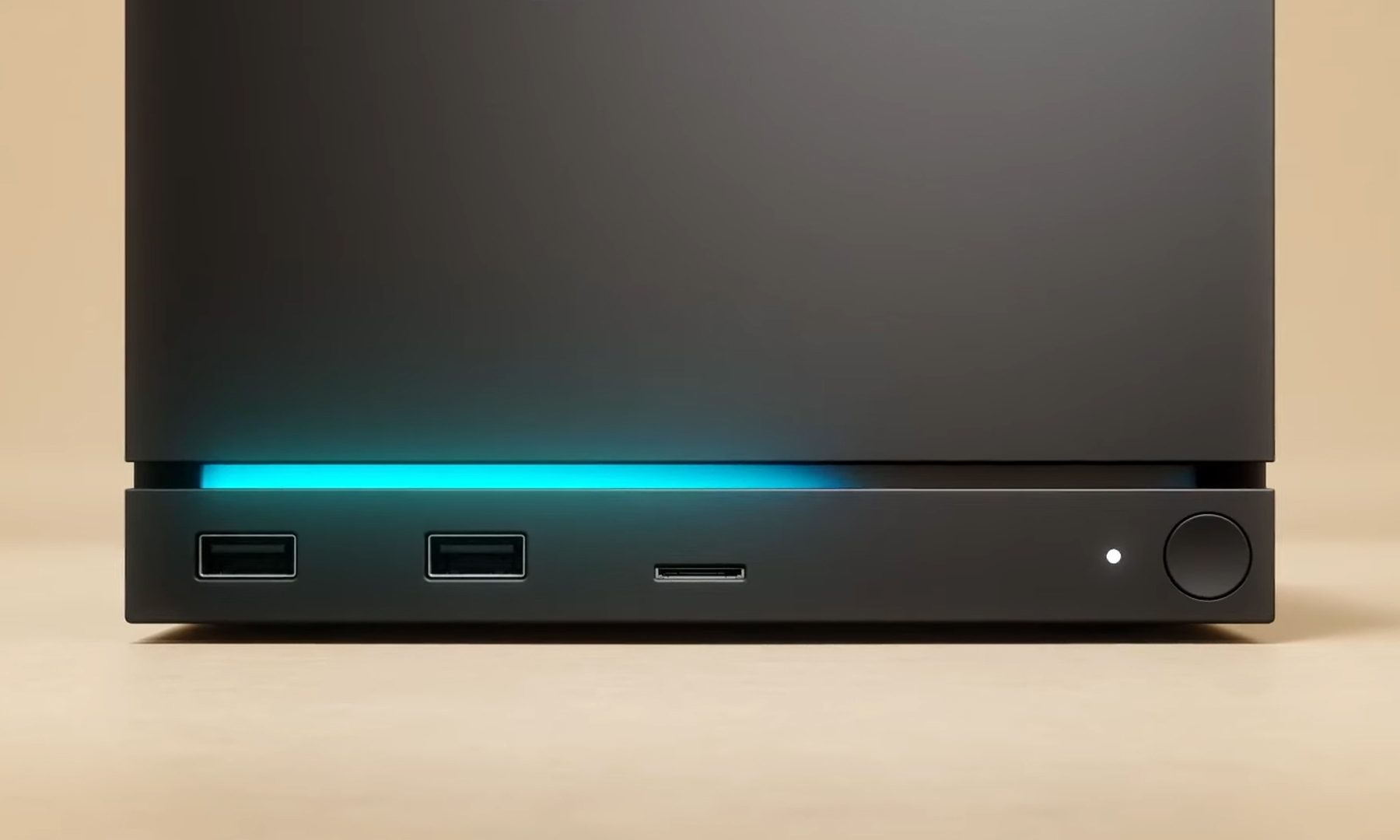
The new Steam Machine has my attention for a few simple reasons, as it is built around the version of PC gaming I want more of. I do not want more pop-ups, background junk, surprise restarts, or other kinds of clutter getting between me and a game. All I want is a machine that genuinely treats gaming as the priority from the start.
This is what SteamOS represents now, and it is why the upcoming Steam Machine sounds more appealing than a lot of traditional gaming PCs.
Windows still gets in the way
Windows remains powerful, but it is also noisy. Great for a general-purpose computer, sure. Less convincing for a device that is supposed to work like a gaming system. Don’t get me wrong, the sheer versatility of having a PC is definitely a hook over consoles, but a rig dedicated to gaming should not have to carry all the baggage of a desktop operating system that was built for things you’re never really going to touch. Looking at you, Copilot.
Back in 2015, the original Steam Machine debuted in collaboration with Alienware. While many were hoping for a new entry in the console race, the Steam Machine failed due to a premature OS, limited library, and poor value proposition.
But over a decade later, Valve has the potential to address each of these issues. SteamOS has matured, with the recent 3.8 preview showcasing improved support for newer AMD and Intel platforms, better TV scaling, HDR, and much more. Those are the kinds of updates that matter on a living-room machine. They point to an OS focused on gaming use instead of one trying to cram gaming into a broader identity. The pricing might still be under wraps, but the platform now has a healthy selection of games from its Steam library.
Steam Deck already proved optimization matters more than raw muscle
The best argument for the Steam Machine is the Steam Deck. On paper, it has been outgunned by newer Windows handhelds. But in reality, SteamOS keeps up and even punches above its weight. Valve’s handheld console is also praised for its solid software experience. It has even posted better battery life and 5% to 10% higher game performance in some tests than Windows on similar machines.
YouTuber Cyber Dopamine ran ASUS’ ROG Xbox Ally on Linux, and it ran better on certain games. The test showed up to 32% higher FPS, more stable framerates, and quicker sleep resume times.
With Windows recently having a terrible track record with optimization, the Linux-based SteamOS changes the whole conversation. More hardware brute force does not always win when the operating system is wasting less of it.
Linux finally has a real shot
Linux gaming still has gaps. Anti-cheat remains the obvious headache, and some major titles keep Windows in the picture. Even with that caveat, the direction is now hard to ignore. SteamOS has become easier to understand, easier to trust, and easier to picture on hardware beyond the Steam Deck.
Steam Machine has a much better shot this time because Valve is no longer asking people to bet on an idea—even if it’s a little delayed.


