
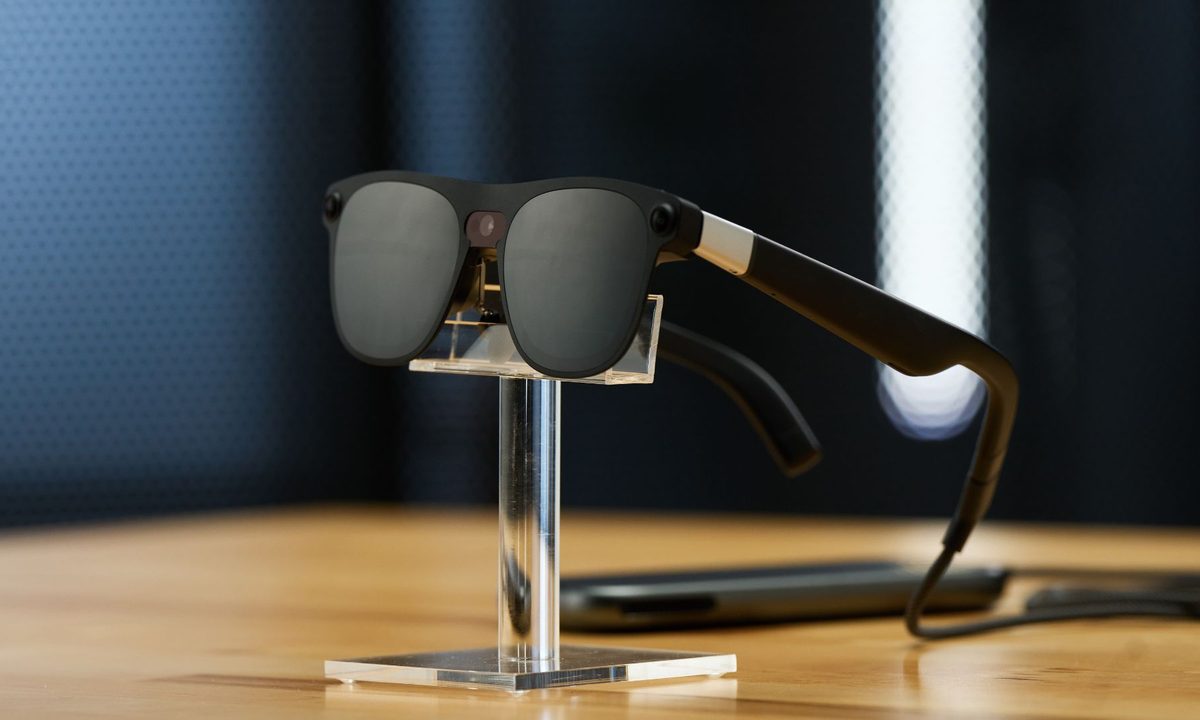

Google is working on a whole bunch of smart glasses. The first one running on the Android XR platform developed by Samsung is expected to arrive close to July. The slate, it seems, will get crowded pretty soon. Earlier today at the I/O 2026 Developers Conference, Google also showed off a new class of audio glasses that have been designed in partnership with Warby Parker and Gentle Monster.
But the most interesting of the bunch is the Xreal Project Aura smart glasses, which support full hand gesture support as well as mixed reality view for Android apps available through the Play Store. These smart glasses were first showcased in December 2025, but Xreal confirmed earlier today that the Project Aura smart glasses will hit the shelves in 2026.
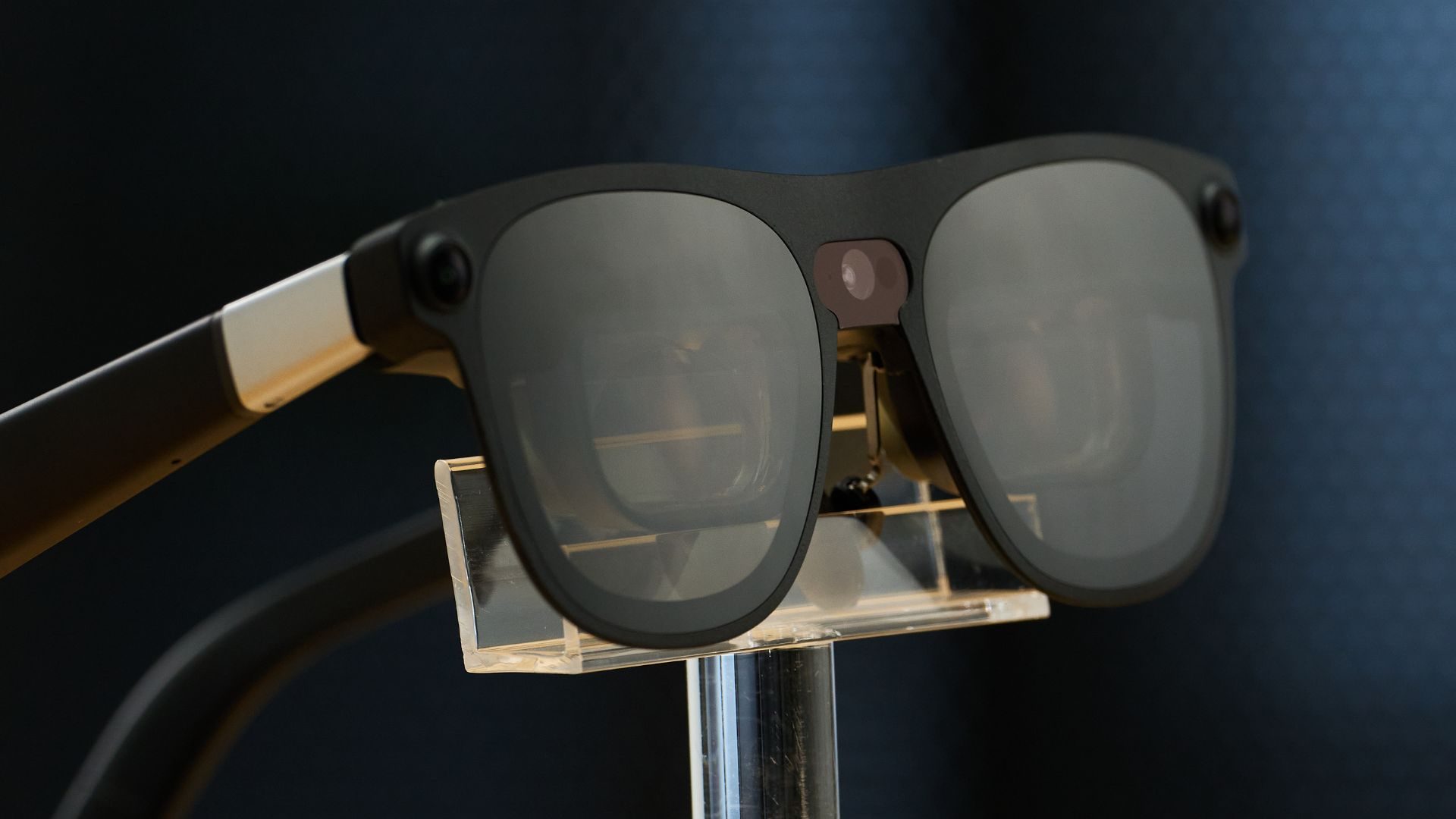
The Project AURA smart glasses by Xreal come equipped with a built-in display that offers a 70° field of view, which the company claims is the largest FOV that has ever been offered on a pair of AR glasses. Thanks to the built-in display, you can overlay digital content in your sight while still having a clear view of the world around you. The company notes that you can run multiple app windows and get the full Android app experience without any hacks.

This is the full-blown Android experience that we are talking about. So far, the Xreal smart glasses that have been available to customers have run a custom version of Xreal’s in-house software that is launched through an app. The only way you could access Android on the Xreal smart glasses is by mirroring them through your phone or by connecting them to a PC in order to run Windows or macOS.
They have supported multi-windows, offering a massive digital canvas for you to run different apps side by side. These virtual windows can be accessed either affixed in the air, or by making them track your head movements. With the Project Aura, Xreal is getting rid of the software limitations by making these smart glasses run the native Android XR experience, with plenty of Gemini experiences in tow. So far, the demo videos released by the company have shown these glasses connecting to a smartphone-shaped puck through a cable.
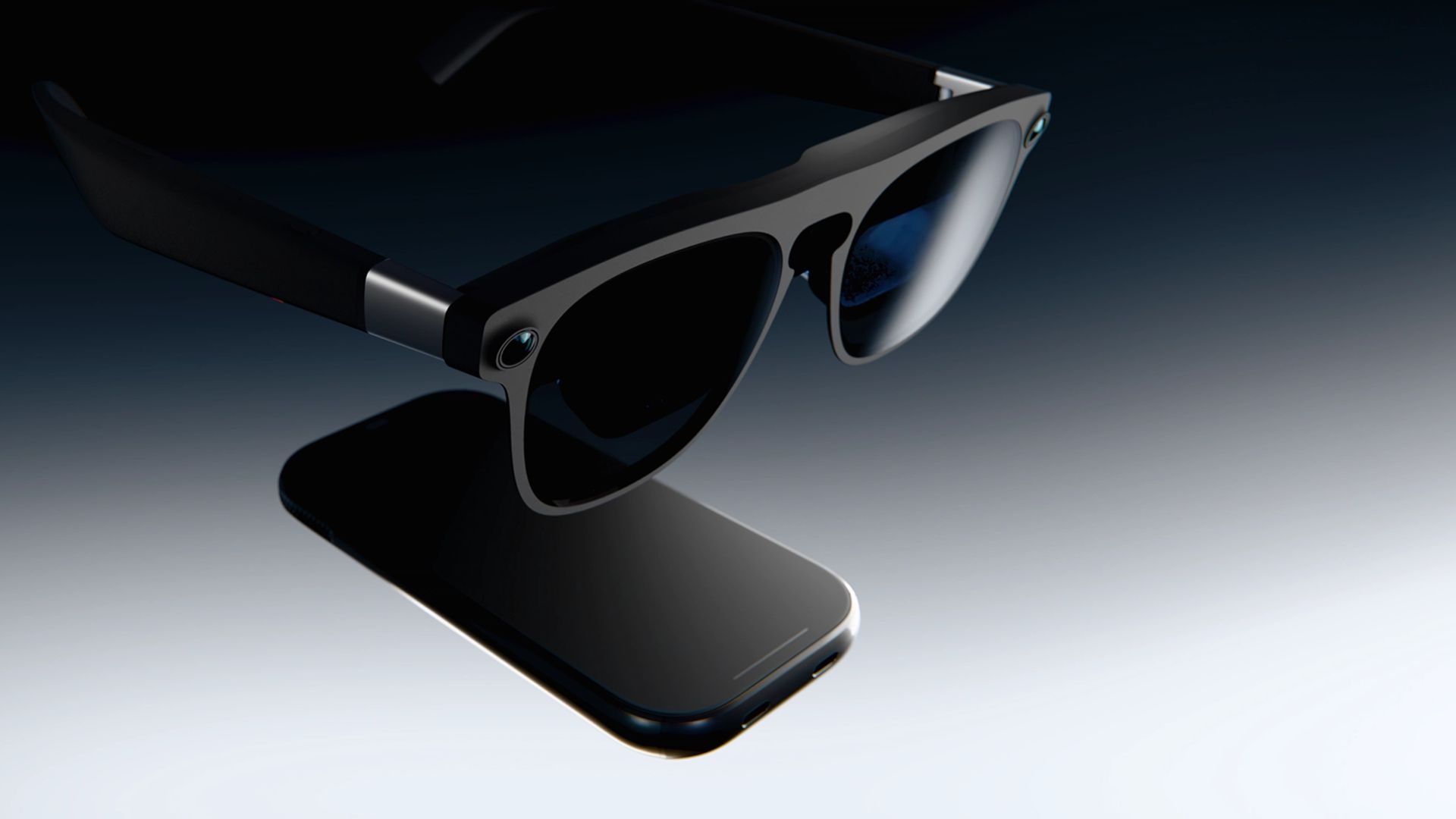
Unlike the audio glasses that Google showed off earlier today, these glasses won’t be able to run the full Android XR experience without a wired connection due to the processing limitations. Talking about processing, Qualcomm will supply the chip for the Xreal Project Aura smart glasses, promising a dual-chip design which includes a Snapdragon silicon as well as a custom X1S processor.


