  1. Home
  2. Computing
  3. News

Your ChatGPT bills could soon get a drastic price cut

The AI price war is here, and for once, your wallet is the winner

Add as a preferred source on Google
OpenAI logo on Microsoft surface
Rachit Agarwal / Digital Trends

If you have ever winced at your monthly AI bill, here’s some good news. According to a report by The Wall Street Journal, OpenAI is considering drastically lowering the prices it charges users as it fights to win customers from its rival, Anthropic.

The company is weighing significant cuts to its token pricing, the unit AI firms use to bill for their products. Interestingly, the move is in anticipation of similar cuts OpenAI expects from Anthropic. So whichever AI service you use, your bills should get smaller.

Why is OpenAI suddenly feeling generous?

The answer is simple: businesses are tired of paying sky-high prices for AI. Heck, there have even been reports of AI costing companies more than actual employees. Even OpenAI CEO Sam Altman admitted at a recent event that costs had become “a huge issue,” adding, “I think we’ll have a lot of ways we can help people get more value for less spend.”

Recommended Videos

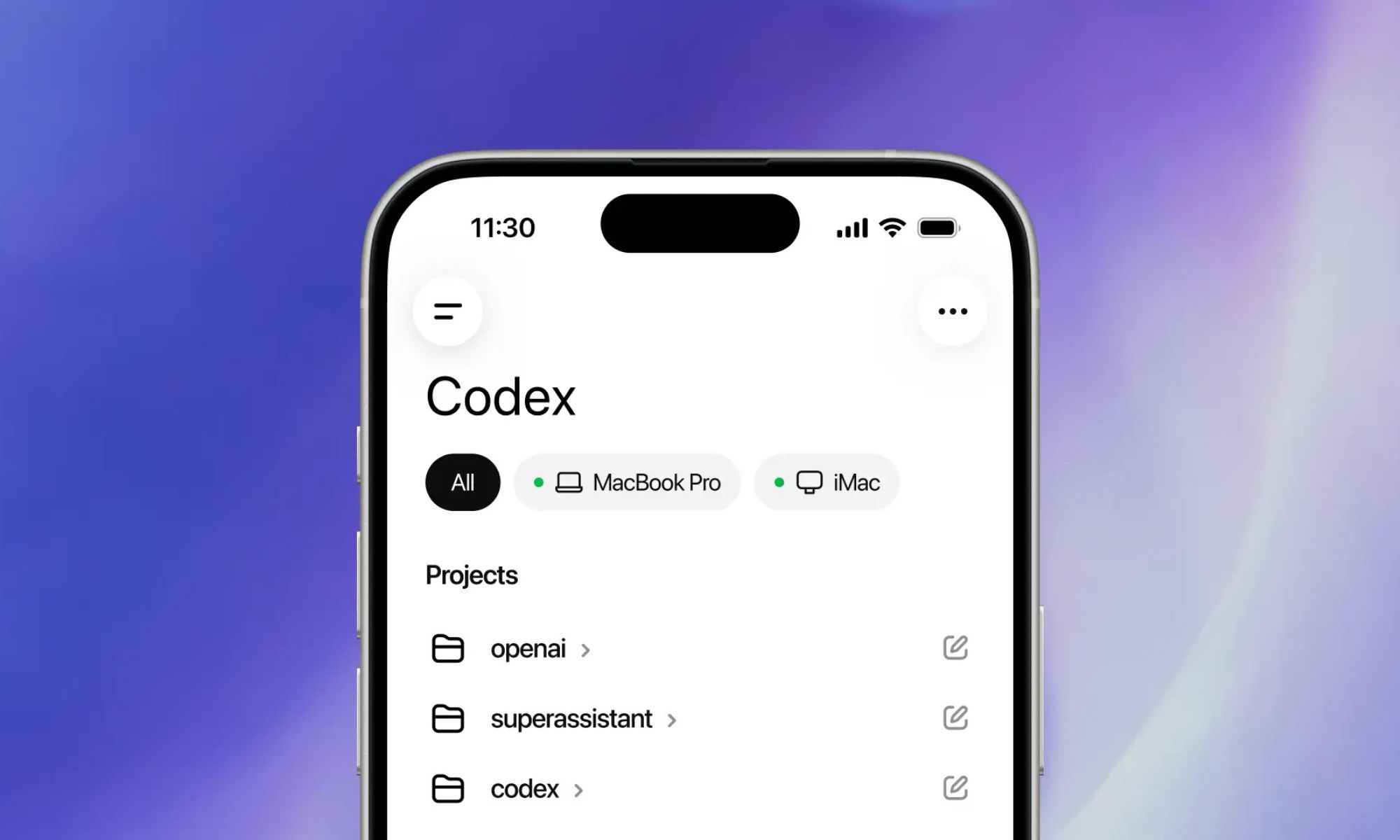
But that’s not all. OpenAI is also facing stiff competition. Anthropic’s revenue surged after its coding tool, Claude Code, went viral among software engineers, and the five-year-old startup surpassed OpenAI’s valuation for the first time. OpenAI has since made its own coding tool, Codex, a company focus, but it’s still far behind the competition.
Some corporations poured so much money into AI coding tools that their leaders are now reining in spending. An Uber executive said the company had already maxed out its 2026 budget for agentic AI. These comments have sparked a Silicon Valley debate about tokenmaxxing, the practice of burning through as many tokens as possible to boost productivity, even when it doesn’t generate returns.

Then there’s Google. Its Gemini models, especially the budget Flash tiers, undercut both ChatGPT and Claude on price, and its business plans cost nearly half of what OpenAI charges, adding even more competitive pressure.

What does a price war mean for you?

For the companies, it’s risky. Both companies already lose billions on computing costs, and both have confidentially filed for IPOs. Slashing prices right before facing public investors will be the first real test of their business models.

For users, it’s good news. They will soon see a drastic reduction in their AI costs. Competition is always good for consumers, and a price cut is one of the big benefits. So sit back and let the AI giants fight it out, because for once, we are the ones who win.


Rachit Agarwal
Rachit is a seasoned tech journalist with over ten years of experience covering the consumer technology landscape.
Intel details Project Firefly and how it’s pushing affordable laptops to unseat the MacBook Neo
Cheap laptops are finally getting the glow-up they deserve!
Intel firefly laptop prototype

It’s no secret that the Windows budget-market segment has been stagnating for years. While premium machines kept getting thinner, lighter, and faster, the affordable segment was stuck with five to seven year old technology and minor updates. 

Intel, it seems, wants to change that. In a recent Talking Tech interview, the company detailed how Project Firefly plans to drastically overhaul the budget laptop segment by creating a whole new ecosystem of laptops. 

Read more
Waiting for your Framework Laptop 13 Pro? You’ll be waiting a bit longer
Good news: they found the bugs. Bad news: your laptop is late.
Framework laptop 13 pro in black

If you pre-ordered the Framework Laptop 13 Pro and were expecting it in June or July, I have some bad news. Framework has emailed customers announcing that shipments are being pushed back by about a month.

According to the email, posted by a Reddit user, the first-batch shipments are moving from late June to late July, with some units possibly slipping into early August. Framework plans to catch up to its original schedule in August, though the company admits the last August batches carry some risk of moving into early September.

Read more
If you’re using AI tools like ChatGPT to fact-check news, there’s some bad news for you
AI fact-checking your news might be the digital version of “trust me bro”
ChatGPT

As artificial intelligence becomes a go-to tool for everything from homework to workplace research, many people are also turning to chatbots like ChatGPT, Gemini, Claude, and Grok to verify whether news stories are true. But new research suggests that habit could actually make people worse at spotting misinformation over time.

A new study from the MIT Media Lab found that relying on AI to determine whether news is accurate can weaken a person's ability to independently identify fake or misleading content. Researchers compared the effect to GPS navigation systems, which make travel easier but can gradually reduce a person's natural sense of direction. In a similar way, AI tools may make fact-checking more convenient while quietly eroding critical thinking skills.

Read more