
Apple is finally hitting its stride with gaming. The company today announced the new M3 family of chips during its “Scary Fast” event, and they pack a redesigned GPU that adds some much-needed features for gaming in 2023. There’s just one problem — you can’t play a ton of games on Mac.
There are some great games available on Mac — just check out our list of the best Mac games — but the big hurdle for Apple has always been broad game support. With the release of M3, along with some recent developments to porting games from Windows to Mac, Apple has a chance to make its gaming ambitions a reality. But all of that effort won’t matter until we see games releasing on the platform alongside PC and consoles.
A game-changing GPU
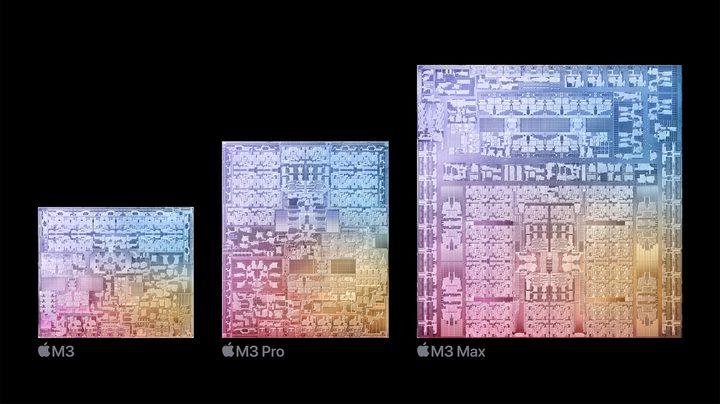
Let’s talk about what makes the M3 special for gaming. It sports a new GPU architecture packing three key features: hardware-accelerated ray tracing, mesh shaders, and a new feature called Dynamic Caching.
Ray tracing isn’t anything new for gaming. It was a niche feature when Nvidia introduced the world to real-time ray tracing in 2018, but ray tracing has since become a staple of AAA game releases. It’s tough to find a major AAA release in the last couple of years that doesn’t utilize ray tracing in some capacity. And some games, such as Cyberpunk 2077 , support full-on path tracing.
Mesh shading is a bit new, at least as far as it showing up in games. The feature has been around for a few years, enabled through DirectX 12 and dedicated GPU hardware on PC. The first game that requires mesh shading, Alan Wake 2, was just released. Apple building support for it into the M3 is forward-looking, setting the platform up for success with future game releases.

Finally, there’s Dynamic Caching, which is an “industry first,” according to Apple’s press release. It’s tough to nail down exactly what Dynamic Caching is doing, but it seems like an intelligent way to schedule work on the GPU. Most graphics cards can handle a lot of tasks in parallel, but those tasks don’t always utilize the full resources available to the GPU. This feature is said to improve performance by dynamically allocating resources in order to increase the average utilization of the GPU.
Apple made a big deal about Dynamic Caching, but we’ll have to see exactly what it’s doing once we have M3 devices available. It’s clear the tech is doing something already, though. We got an early look at games like Myst and Lies of P running on an M3 MacBook Pro at what looked like above 60 frames per second (fps). If that holds up across games, Apple has some capable hardware on its hands.
The rising tide

The M3 is a payoff for a foundation that Apple has been laying for about a year now. With games like Resident Evil 4 coming to iPhone and an appearance from gaming legend Hideo Kojima at Apple’s Worldwide Developer’s Conference (WWDC) earlier this year, it’s no secret that Apple is making a push into gaming. But more than flashy releases, Apple has been building a foundation of tech that will enable games to run on Macs.
A lot of that centers around the Game Porting Toolkit. Released without so much as a whimper at WWDC this year, this software tool basically creates a Windows emulation environment on Mac. That’s something third parties have been trying to crack for years. Apple claimed developers could see how their game would run on Apple silicon within a matter of minutes, rather than spending weeks on development work to even consider porting to Mac.
It’s already done a lot of work, too. I tried to get the Halo Master Chief Collection running on a MacBook with it, and the popular CrossOver app has been able to turn on support for DirectX 12 games since the release. We haven’t seen the full payoff of the Game Porting Toolkit yet, and I suspect it will be instrumental in larger Mac support in the future.
In addition, Apple has already developed MetalFX. As we’ve seen over the past year, upscaling tools like Nvidia’s Deep Learning Super Sampling (DLSS) and AMD’s FidelityFX Super Resolution (FSR) are essential for running demanding games on most rigs. Apple has its own take on this with MetalFX, which looked shockingly good when we demoed it in Resident Evil Village. This is the same tech that allows Resident Evil 4 on the iPhone; it’s a big deal.
MetalFX and the Game Porting Toolkit are now meeting the M3, which packs ray tracing, mesh shaders, and Dynamic Caching. The hardware and ecosystem is all in place — we just need the games.
We need more games
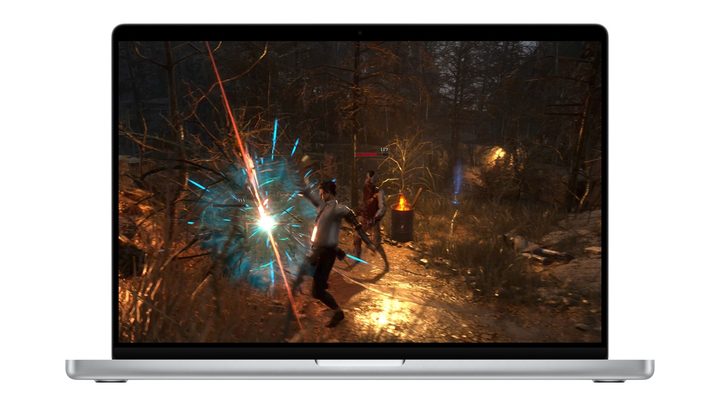
The problem with Mac gaming now is simply game support. It was a problem in the past, for sure, but it was a problem in addition to a lack of dedicated hardware and software. We need to see more games with native Mac versions, and I’m sure we will. But that won’t happen right away.
If you look at any year in gaming, the vast majority of releases won’t see a native Mac port. There are exceptions like Civilization VI and Resident Evil Village, along with indie darlings like Hollow Knight and Hades. But if you look at the overall number of games released on PC, only a small fraction of them arrive on Mac in any official capacity.
This isn’t an easy problem for Apple to solve, and we’ve seen the company stumble around that issue over the past year. A good example of that is Death Stranding. Apple made a big deal when the game was brought to Mac earlier this year, and it’s great to see such a high-profile release get an official port. It came nearly four years after the game first released, though. Similarly, seeing games like Resident Evil Village and Resident Evil 4 work their way into the Apple ecosystem is fantastic, but it would’ve been much more exciting to play these games when they released for everyone else.
Apple is playing from behind, likely courting deals with developers to bring games to its platform. The big gaming push won’t pay off until we see new games release on Mac alongside PC, though. Currently, any AAA game that releases on Mac feels like a novelty. For Macs to become a true gaming destination, game releases need to feel like the norm.
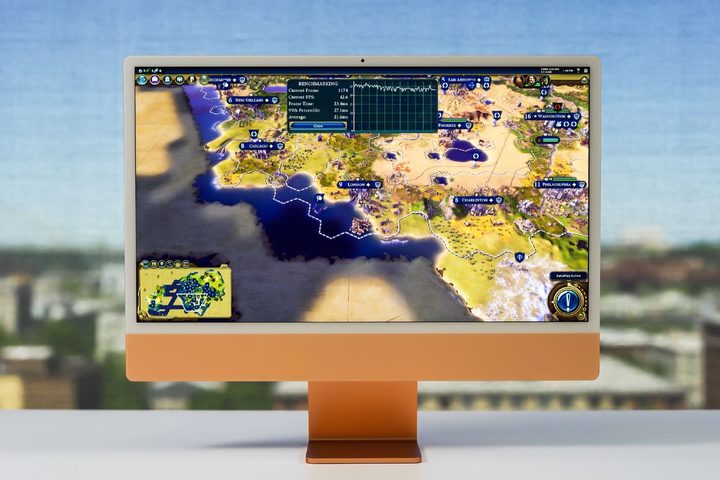
It seems some of that is already in motion. Titles like Lies of P and Baldur’s Gate 3 released on Mac this year around the same time as Windows, and those are two massive games. In order for Mac gaming to work, Apple needs to capitalize on releases like these by working with developers ahead of release to guarantee native Mac versions on release day.
Hopefully, that’s already happening. It’s no coincidence that the Resident Evil franchise has appeared so much in Apple’s gaming initiative, and there’s a good chance Apple is developing a relationship with developer Capcom to bring games over right away. Similarly, ports like Death Stranding may not seem like much, but they could lay the groundwork for future games.
If Apple sticks with it, Mac gaming could be a great experience in the future. We have the hardware to support it now, after all — we just need the games.


