What’s happened? The browser wars just got a whole lot smarter. OpenAI has officially unveiled ChatGPT Atlas, a fully AI-driven web browser that puts its conversational model at the core of how users explore the internet. Instead of relying on typed searches and endless tab-hopping, Atlas turns browsing into a real-time conversation where the AI can read, summarize, and even act on what’s on your screen. This launch also signals ChatGPT’s official leap into the AI-powered browser race, joining competitors like Perplexity’s Comet and The Browser Company’s Dia, both of which have been rethinking what “search” even means in the age of AI.
- Atlas integrates the full ChatGPT experience directly into the browser, allowing users to summarize pages, compare results, or ask questions without leaving the tab.
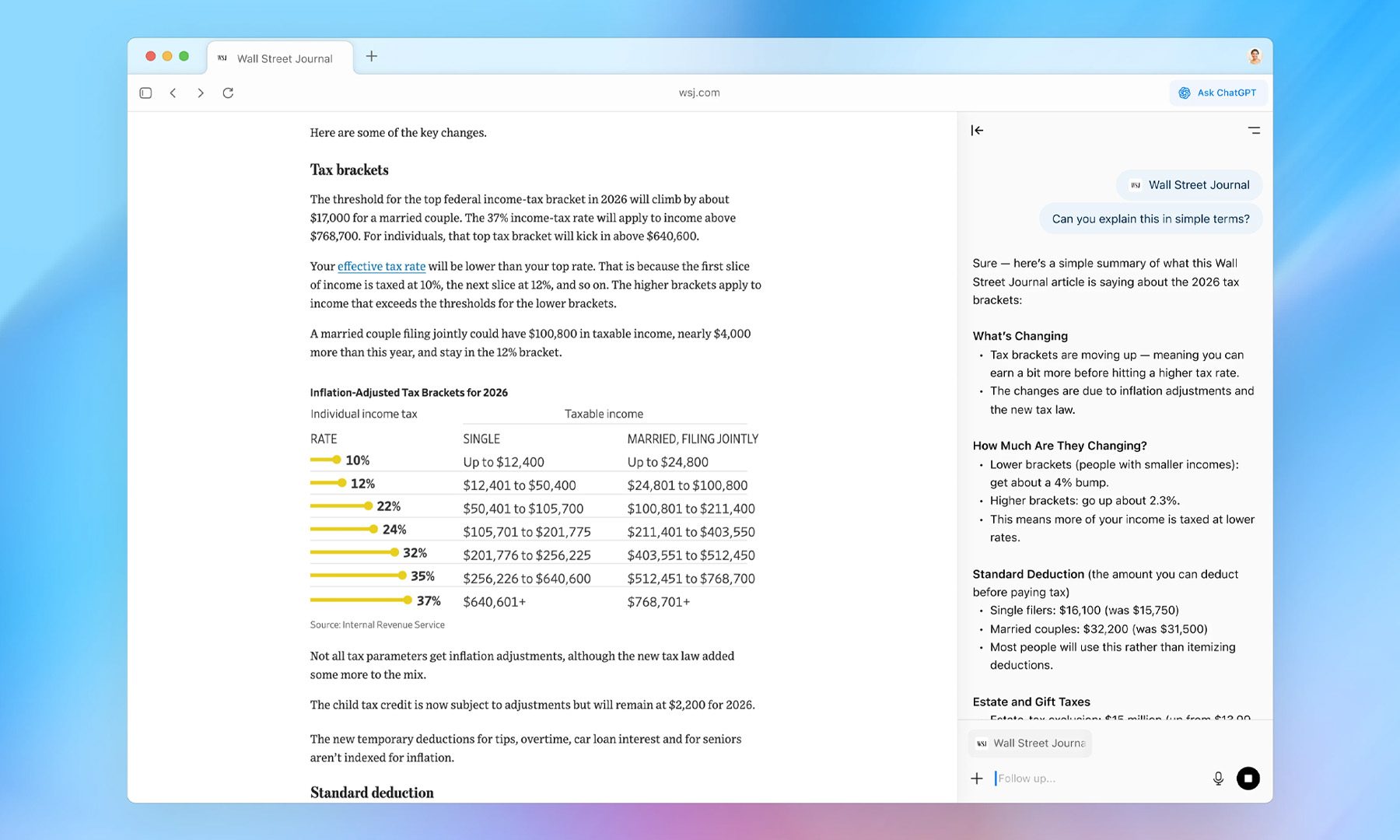
- A side-by-side layout keeps ChatGPT visible as you browse, letting you chat with the page content, not just about it.
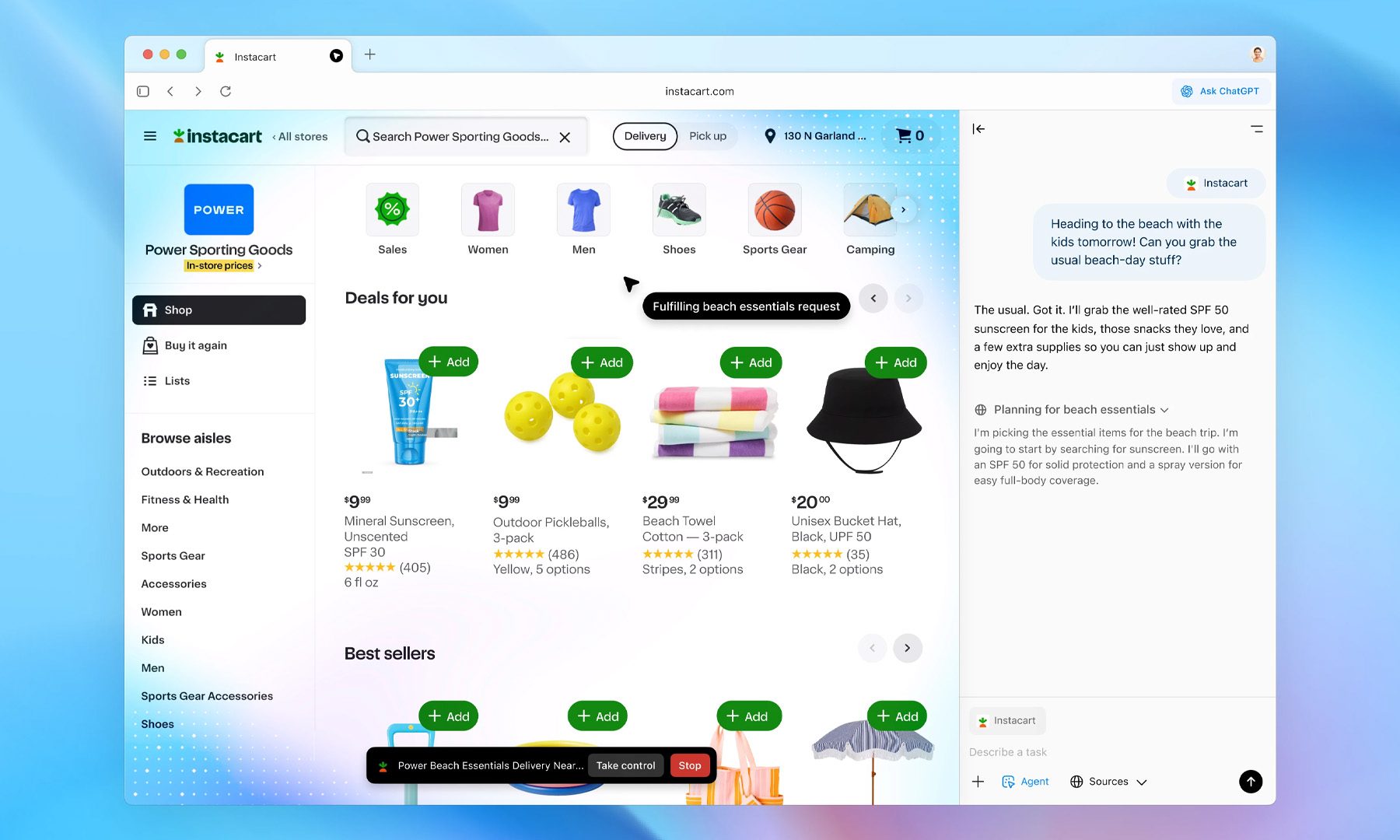
- The browser has an AI-powered Agent mode that can perform actions like booking, form-filling, and data lookup autonomously, with user consent.
- Instead of returning links, Atlas delivers conversational answers compiled from multiple sources in real time.
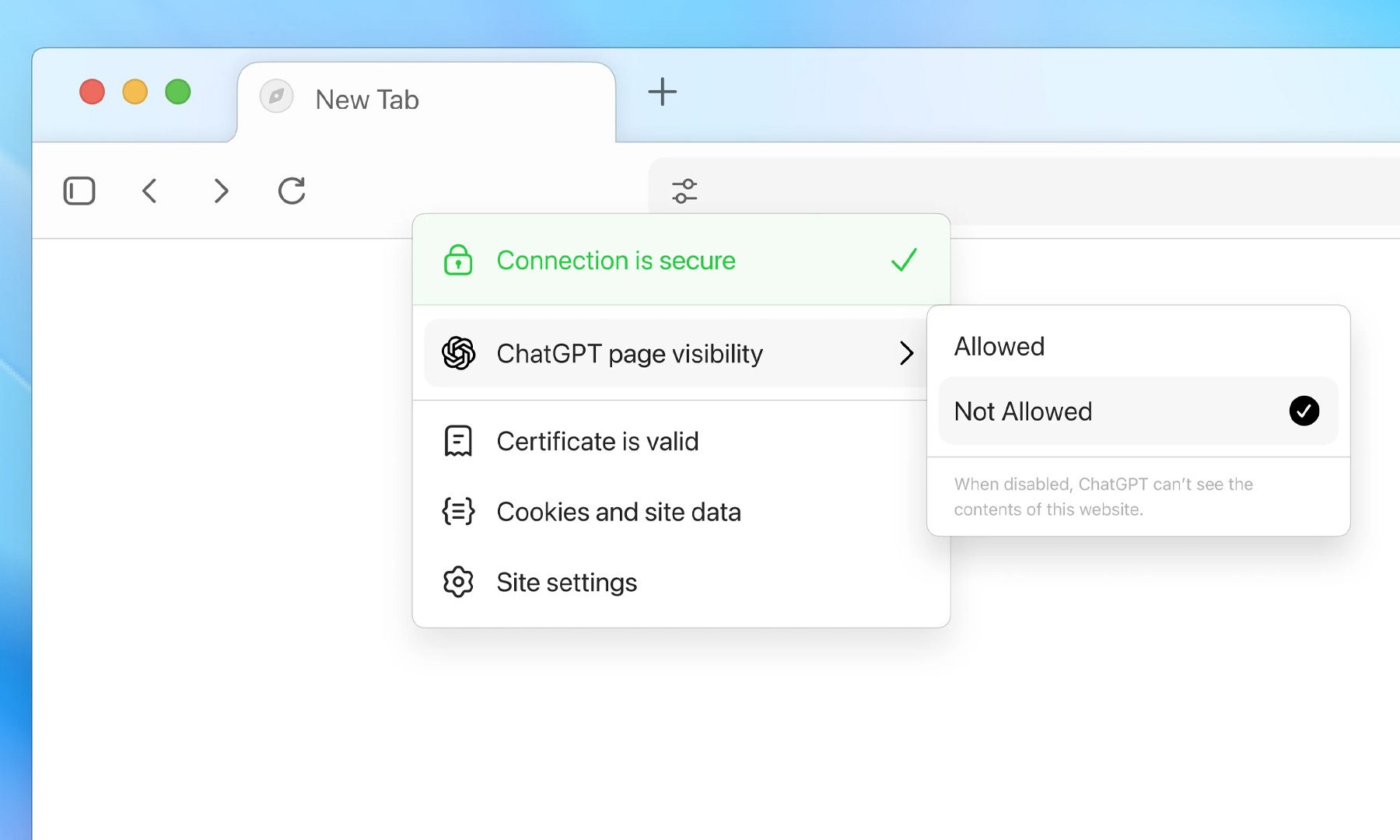
- Atlas includes a dedicated Privacy Mode that disables memory, prevents data logging, and ensures browsing sessions aren’t used to train OpenAI models
- It remembers what users read and search, syncing across devices for a more personalized, continuous browsing experience.
Why this is important: Atlas could fundamentally reshape how we use the web. For years, browsers have been passive windows into the internet, tools that waited for users to click, type, and search. Atlas flips that dynamic entirely by embedding an intelligent assistant that can think with you while you browse. This is the most aggressive step yet in the evolution of AI-powered browsing, and it could redefine what users expect from search engines, assistants, and even productivity apps.
- Instead of switching between ChatGPT and a browser, both now live in one window. You ask questions, and Atlas instantly references live web content.
- With its agent mode, Atlas can automate tedious actions like filling forms, booking hotels, or pulling data across pages.
- Atlas doesn’t just compete with Chrome or Edge, but it also challenges the very idea of static browsing, paving the way for AI-first web experiences.
Why should I care? Sure, “AI browser” sounds like another buzzword, but Atlas is more than that. It’s a rethink of how you interact with the web. It cuts through the clutter of modern browsing: no more juggling ten tabs or losing track of what you were reading. Instead, it feels like a co-pilot that actually understands what you’re trying to do. It can explain a story while you read it, summarize a research paper in seconds, or even fill out forms and plan a trip — all without leaving the page. Best of all, it remembers where you left off, making the web feel more like a conversation than a chore.
Okay, so what’s next? ChatGPT Atlas is rolling out first for macOS users, with a Windows release expected soon after. OpenAI says this staggered launch will help fine-tune stability and gather feedback before a wider rollout. Some features, like Agent Mode, will initially stay exclusive to ChatGPT Plus and Pro subscribers, allowing the browser to perform on-page actions while keeping user control front and center.
It’s still early to say whether Atlas will truly redefine how people browse, but OpenAI’s direction is clear that it wants the web to feel conversational, contextual, and less tied to traditional search engines. And while it’s arriving a bit late to stand toe-to-toe with AI-native browsers like Comet and Dia, OpenAI holds one major advantage: a 200-million-strong ChatGPT user base that’s already comfortable living inside its ecosystem. If Atlas gains traction, the next browser war won’t be about speed or design. Instead, it’ll be about which AI understands you best.